

Buying Property in Qatar: A Complete Guide for Expats
From freehold zones in Lusail and The Pearl‑Qatar to financing tips and visa benefits, this guide explains how expats can confidently buy property in Qatar.
Purchasing property in Qatar has become increasingly accessible for expatriates, thanks to recent government reforms aimed at encouraging foreign investment in the real estate sector. New policies provide clear ownership rights, streamlined procedures, and designated investment zones where expats can buy residential and commercial properties with relative ease. This guide is designed to help investors and home‑seekers navigate the process, offering detailed insights into legal requirements, financing options, and market trends. Whether you are looking for a luxury apartment in West Bay, a waterfront villa in The Pearl‑Qatar, or a smart property in Lusail City, understanding these reforms is essential to making a confident and informed investment decision in Qatar’s thriving property market.
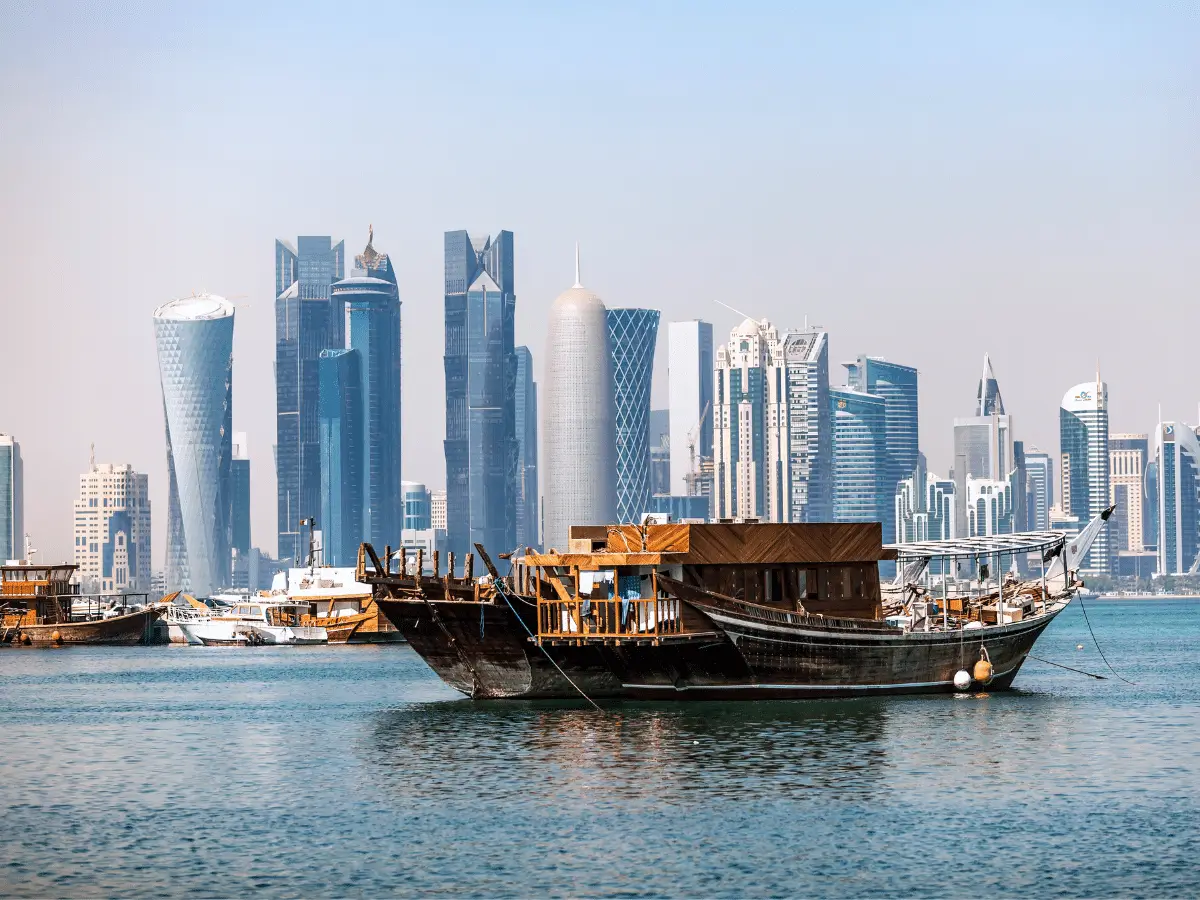
Why Qatar is attractive for expat buyers
Qatar attracts expatriate buyers because of its political stability, world‑class infrastructure, and long‑term development plans linked to Qatar National Vision 2030. The country has invested heavily in modern cities, transport networks, and healthcare and education facilities, which directly support long‑term demand for residential properties and investment apartments. For expats based in Doha, Lusail, The Pearl‑Qatar, Al Wakrah, and other key areas, property ownership offers not only a place to live but also a hedge against inflation and a potential source of rental income. Many international professionals and families consider buying apartments for rent in Qatar or villas for sale in Doha as part of their long‑term financial and lifestyle planning.
Freehold zones where expats can buy
Expatriates now have the opportunity to purchase properties in designated freehold zones, which are areas where foreigners can own real estate in full title, similar to how they might buy in their home countries. The main freehold areas include Lusail, West Bay Lagoon, The Pearl‑Qatar, Qanat Quartier, parts of Al Wakrah, and other approved freehold districts specified by the government. These carefully planned communities offer world‑class amenities, waterfront views, and modern residential and commercial developments that appeal to expats and investors alike.
Buying in these zones means you can search for apartments for sale in Lusail, luxury villas on The Pearl‑Qatar, or premium apartments in West Bay while still enjoying the benefits of clear ownership rights and a transparent legal framework. Many of these developments are fully freehold and located in strategic locations close to business districts, metro stations, and lifestyle hubs, which supports both owner‑occupancy and rental potential.
.webp?alt=media&token=28fbb50e-2890-4cbc-95f1-9ac04661d18c)
Key reforms and ownership rules for expats
Qatari law traditionally restricted foreign ownership, but recent reforms have introduced clear pathways for non‑nationals to acquire property in Qatar. Under the current framework, expats can buy in freehold zones without needing a Qatari partner, and in non‑freehold areas they may purchase through leasehold or long‑term usufruct arrangements, depending on the project type and location. It is important to distinguish between freehold and leasehold: freehold means you own the title to the land and building, while leasehold grants long‑term use rights (often 99 years or similar periods) without outright ownership.
For expats, residential freehold zones are usually the preferred choice because they offer the highest level of legal security and flexibility. Within these zones, different projects may have specific rules on resale, inheritance, and required approvals, so reviewing the sale and purchase agreement, title deed, and any homeowners’ association (HOA) regulations is essential before finalizing a deal. Professional legal advice or a real estate expert who understands Qatar’s laws can help clarify any wording, especially if you are comparing new developments for sale versus off‑plan opportunities.
.webp?alt=media&token=26ac4991-83ee-4efd-baee-b26c3bdb206c)
Step‑by‑step process to buy property in Qatar
For many expats, the process of buying property in Qatar feels structured but unfamiliar, so it helps to break it down into clear steps.
Define your goal and budget
Decide whether you are buying as a home‑seeker or as an investor, and how much you can comfortably spend on down payment and monthly installments. This will help you narrow your search to options like apartments for rent in Doha, investment properties in Lusail, or family villas in Al Wakrah that match your financial plan.Choose the right area and freehold zone
Explore communities such as Lusail City, West Bay Lagoon, The Pearl‑Qatar, and other freehold districts that align with your lifestyle and financial goals. Use filters on your property portal to focus on apartments for sale in Qatar, villas for sale in Doha, or off‑plan projects in Qatar that are located in approved freehold areas.Find a preferred property
Browse listings for luxury apartments in West Bay, waterfront apartments in The Pearl‑Qatar, or smart apartments in Lusail, paying attention to unit type, size, orientation, and amenities. Many developers offer virtual tours or show units, which can help you compare off‑plan opportunities with ready‑to‑move‑in units.Engage with the developer or agent
Once you shortlist, speak with the developer’s sales team or an authorized real estate agent about payment plans, off‑plan schedules, and handover dates. For developers, you may also review project progress, guarantees, and warranties before signing a preliminary agreement (often called Memorandum of Understanding – MOU).Sign the sale and purchase agreement
After due diligence and document review, you sign the Sale and Purchase Agreement (SPA), which formalizes your purchase and outlines conditions such as deposit amount, remaining payments, and timelines. This step usually involves paying an initial deposit (often 10–20%) and may be followed by staged payments for off‑plan purchases.Finalize financing (if applicable)
If you need a mortgage, you can apply with a Qatari bank that offers real estate loans to expats in freehold zones. Financing options vary by bank, but most allow non‑nationals in freehold areas to obtain home loans for a portion of the property value, with income proof and residency requirements. Compare mortgage options for apartments in Qatar and interest rates for foreign‑owned properties before deciding on a bank.Transfer title and complete handover
When the property is ready, the developer arranges for title transfer at the Ministry of Justice or relevant authority, after which you receive the official ownership documents. You then take possession of the property, pay any remaining balance, and register with the Homeowners’ Association (HOA) or property management company.
Following these steps carefully can help you avoid common pitfalls and make the experience of buying property in Qatar as an expat smoother and more rewarding.
Financing: mortgages and payment plans for expats
For many expats, financing is a key consideration when buying property in Qatar. Local banks typically offer home loans in approved freehold zones, including Lusail, The Pearl‑Qatar, and West Bay Lagoon, for expatriates who meet income and residency requirements. Lenders usually require proof of employment, recent salary statements, a valid Qatari residence permit, and sometimes a minimum contract duration.
Loan terms can vary, but many banks provide financing of up to 70–80% of the property value for expats, with the remaining amount paid as a down payment. Some developers also offer in‑house installment plans with flexible payment structures, especially for off‑plan projects in Qatar, which can be attractive for buyers who prefer to spread payments over several years without relying on a bank loan. When comparing opportunities such as apartments for sale in Lusail or villas for sale on The Pearl‑Qatar, it’s wise to review both bank‑financed options and developer‑financed plans to see which aligns best with your cash‑flow needs.
Visa and residency benefits for property owners
One of the most attractive aspects of buying property in Qatar is the potential visa and residency benefits linked to ownership, especially in designated investment zones. Depending on the project and the property value, qualifying expat owners may be eligible for special investor visas or long‑term residence permits that allow them and their families to stay in Qatar beyond the standard work‑based visa. These benefits are particularly appealing to investors who are considering premier apartments in West Bay or waterfront villas on The Pearl‑Qatar as both lifestyle and long‑term immigration options.
However, the exact eligibility criteria and caps per project can differ, so it is important to check with the developer, government portal, or an immigration‑focused legal advisor to confirm what benefits apply to your purchase. Some projects or developments may prioritize Qatari citizens first, while others explicitly target expatriate buyers with clear residency privileges.
.webp?alt=media&token=370edd8b-cc81-42f3-b5cf-841791c68290)
Maintenance fees, service charges, and annual costs
Before making any property purchase in Qatar, it is essential to fully understand the local ownership laws, maintenance fees, service charges, and long‑term costs associated with living in a modern community. Different freehold zones and projects may have specific regulations regarding property rights, resale, and inheritance, so thorough research is crucial. Additionally, prospective buyers should account for ongoing maintenance costs, service charges, and homeowners’ association (HOA) fees to ensure a clear understanding of total investment obligations.
In many Lusail complexes, luxury compounds in West Bay, and exclusive villas on The Pearl‑Qatar, residents pay an annual management or service fee that covers common area maintenance, security, landscaping, cleaning, and sometimes utilities such as district cooling or water. These fees are usually calculated per square meter and listed in the HOA agreement or project brochures, so reviewing them before buying will help you compare the total cost of ownership between different apartments for rent in Qatar or villas for sale in Doha. Planning for these expenses alongside your mortgage payments or income level can make the decision to buy more sustainable over time.
Resale and rental potential for expat owners
Understanding the resale rules and rental market is also important for expats buying property in Qatar. In many freehold zones, expats can freely sell, rent, or mortgage their properties, subject to the project’s internal regulations and government‑set conditions. For example, some projects may require prior approval from the developer or HOA before resale, while others allow private transactions with minimal restrictions.
From a rental‑income perspective, locations like West Bay, Lusail, and The Pearl‑Qatar are popular among expatriate tenants seeking modern apartments near business districts, which can support strong rental yields for owners. When you buy apartments for rent in Qatar or villas for rent in Doha, choosing well‑located, freehold properties with reliable management and clear rental regulations can simplify tenant management and improve returns.

How to use your property portal to find the right opportunity
As an expat buyer, our portal becomes a powerful tool for exploring apartments and villas across Qatar while filtering for key criteria such as freehold status, price, location, and payment plan. When you search for apartments for sale in Lusail, villas for sale in The Pearl‑Qatar, or ready‑to‑move‑in units in West Bay, you can prioritize projects that are located in approved freehold zones and have clear documentation about ownership type, financing, and HOA rules.
Use filters to focus on expat‑friendly communities such as Lusail City, Msheireb Downtown Doha, The Pearl‑Qatar, and modern compounds in Al Wakrah, where clear legal frameworks and strong infrastructure support a smoother buying experience. You can also compare off‑plan projects in Qatar with established apartment and villa listings to balance long‑term appreciation against the convenience of immediate occupancy.
Final tips for expats buying property in Qatar
To conclude, here are a few practical tips that can help you make a confident decision when buying property in Qatar as an expat:
Focus on freehold zones such as Lusail, West Bay Lagoon and The Pearl‑Qatar for the strongest legal protection and flexibility.
Verify ownership type (freehold vs leasehold), project approvals, and HOA rules before signing any agreement.
Shop around for mortgage options and developer payment plans to match your budget and long‑term goals.
Consider maintenance fees, service charges, and potential visa benefits when evaluating apartments or villas for sale.
Use our portal’s search tools to compare properties such as apartments for rent in Doha, investment properties in Lusail, and family villas in Al Wakrah under one interface, helping you find the best match for your lifestyle and returns.
By combining legal awareness, smart financial planning, and using an expert‑curated platform to explore buying property in Qatar, expatriates can confidently secure a modern home or investment asset in one of the Gulf’s most dynamic real estate markets.