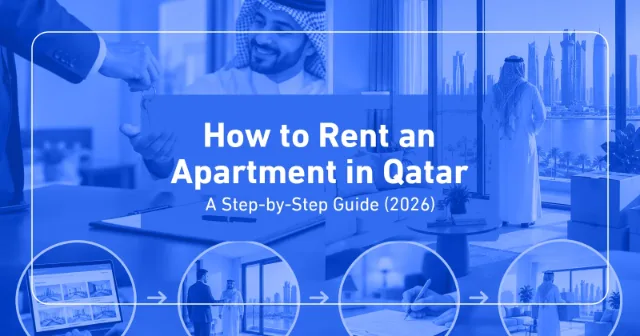
How to Rent an Apartment in Qatar: A Step-by-Step Guide (2026)
From choosing a neighborhood to signing the lease — what renters in Qatar need to know before moving in.
Renting an apartment in Qatar is usually a straightforward process once you understand the steps, the required documents, and what landlords typically expect. Whether you're relocating for work, moving within Doha, or renting in Qatar for the first time, this guide walks you through the process from start to finish, along with the mistakes to avoid along the way.
1. Decide on Your Budget and Must-Haves
Before browsing listings, set a realistic monthly budget and list your priorities: number of bedrooms, furnished or unfurnished, proximity to work or school, and building amenities such as parking, a gym, or a pool. Rent in Qatar can vary significantly by area, building age, and furnishing level, so having clear priorities helps narrow the search quickly rather than scrolling through hundreds of listings that don't actually fit your needs.
Budgeting for More Than Just Rent
Your monthly budget should also account for the security deposit (commonly around one month's rent), any agent fees, utility costs, and moving expenses. Some buildings also charge a one-off administration fee. Ask for a full breakdown of upfront costs before committing to a property, so there are no surprises at signing.
2. Choose the Right Area
Popular rental areas in Qatar include Lusail, The Pearl, West Bay, Al Sadd, Msheireb, Al Waab, and Al Wakra, each with a different lifestyle, commute profile, and typical building mix. Families often look at areas with easy access to schools and compounds, while young professionals may prioritize proximity to West Bay or Lusail's business districts.
Matching the Area to Your Daily Routine
Think beyond the apartment itself: how far is your commute to work, is there a supermarket or clinic nearby, and how easy is it to reach the metro or main roads at peak times? A slightly higher rent in a more convenient location can sometimes save you more in time and transport costs than a cheaper unit further out. Browse listings by area on PPortal to compare what's available in each district before deciding.
3. Search and Shortlist Listings
Use filters for property type, number of bedrooms, and furnishing status to shortlist apartments that match your needs. Pay attention to whether photos are recent and whether the listing specifies utilities, maintenance responsibilities, and any additional fees. Listings that are vague about these details are worth a direct follow-up question before you invest time in a viewing.
4. Arrange Viewings
Try to view a property in person, or ask for a video walkthrough if you're relocating from abroad. During the viewing, check water pressure, air conditioning performance in every room, natural light, storage space, and the overall condition of fittings such as kitchen cabinets and bathroom fixtures. It's also worth asking about noise levels at different times of day, and checking mobile signal strength if you work from home.
Questions Worth Asking During the Viewing
How old is the building, and when were the AC units last serviced?
Is parking assigned, shared, or first-come-first-served?
What is included in the rent versus billed separately?
Is there a waiting list or approval process from building management?
5. Prepare Your Documents
Landlords and agents in Qatar typically ask for a copy of your passport, Qatar ID (QID) or proof that one is being processed, and proof of employment or salary, such as a salary certificate or offer letter. If you're renting before your QID is issued, ask the landlord or agent what alternative documentation they can accept, since requirements can vary between landlords and buildings.
6. Understand the Lease Terms
Most residential leases in Qatar run for 12 months and are typically paid through post-dated cheques, though payment structures can vary by landlord — some accept quarterly or semi-annual payments, and bank transfers are becoming more common. Read the contract carefully for the notice period required before moving out, any rent escalation clause for renewal, and who is responsible for routine maintenance versus major repairs.
Lease Registration and Legal Considerations
Because lease terms and any registration requirements can be updated by Qatari authorities, it's worth confirming current requirements with your landlord, agent, or the relevant government department before signing. Keep a signed copy of the lease and any addenda for your own records, and avoid verbal-only agreements on anything that matters, including move-in dates and included furnishings.
7. Pay the Deposit and Sign
Security deposits are commonly equivalent to one month's rent, refundable at the end of the tenancy depending on the property's condition. Before signing, document the apartment's condition with photos or a short video of every room, including any existing damage, scuffs, or wear, and make sure any agreed repairs are noted in writing as part of the contract or a signed addendum.
8. Set Up Utilities and Move In
Depending on the building, utilities such as electricity and water (Kahramaa) may already be connected or may need to be set up in your name. Confirm this with the landlord before move-in day, along with building access cards or fobs, parking allocation, and any move-in procedures required by the building management, such as booking the service elevator for large furniture.
Common Mistakes First-Time Renters Make
Skipping the in-person viewing: Photos can be outdated or misleading — always view in person or request a live video call if you can't visit.
Not reading the full lease: Renewal terms, exit clauses, and maintenance responsibilities matter as much as the monthly rent figure.
Ignoring building reputation: Ask current or former tenants, if possible, about management responsiveness to maintenance requests.
Ignoring total move-in costs: Deposit, agent fees, and furnishing costs can add up to more than a month's extra rent.
Final Tip
Working with a licensed real estate company or agent can simplify the process, particularly for newcomers who are unfamiliar with local lease conventions. Browse verified real estate companies in Qatar on PPortal to find licensed support for your search, and compare several listings side by side before making your decision.