Sustainable Living in Qatar: How Green Real Estate Is Shaping the Future
From Lusail to Msheireb, Qatar is making sustainable living and green buildings the new standard for modern lifestyles, smarter investments, and future-ready communities.
As sustainability becomes a global priority, Qatar’s real estate sector is rapidly transforming to meet higher environmental and lifestyle standards. Developers are moving beyond traditional construction by integrating solar energy solutions, advanced energy‑efficient systems, and generous green spaces into modern communities in Lusail and Al Wakrah that appeal to both residents and investors. This shift is redefining what people expect when they search for properties for sale in Qatar or apartments for rent in Doha, with more buyers actively asking for eco‑friendly features and lower running costs.
This evolution is strongly aligned with Qatar National Vision 2030, which places environmental development alongside economic and social progress as a core pillar. The country’s sustainability agenda encourages urban planning that minimizes ecological impact while delivering high‑quality, human‑centric living environments, and real estate is at the heart of this transformation. From regulations to incentives, the policy direction is clear: future‑ready developments must be greener, more efficient, and more resilient than the projects of the past.
.webp?alt=media&token=a7f0c21a-118d-4889-b6b3-fe19b5b7372c)
Policy, standards, and green building frameworks
To translate this vision into real projects on the ground, Qatar has adopted comprehensive green building frameworks such as the Global Sustainability Assessment System (GSAS), previously known as QSAS. GSAS is the first integrated, performance‑based green building rating system developed for the Middle East, designed specifically for local climate, culture, and environmental conditions. It evaluates buildings across categories like energy efficiency, water use, indoor environmental quality, materials, and urban connectivity, pushing developers toward more sustainable design, construction, and operation.
Alongside GSAS, international certifications such as LEED are also being adopted in key projects, with the Qatar Green Building Council (QGBC) actively promoting sustainable design principles and energy efficiency across the construction sector. These frameworks ensure that when a project is marketed as “green,” it meets measurable standards rather than relying on vague branding or marketing language. For property seekers browsing new developments in Qatar or shortlisting premium apartments in Doha, certifications like GSAS and LEED are becoming powerful signals of long‑term quality and lower environmental impact.
Flagship sustainable communities in Qatar
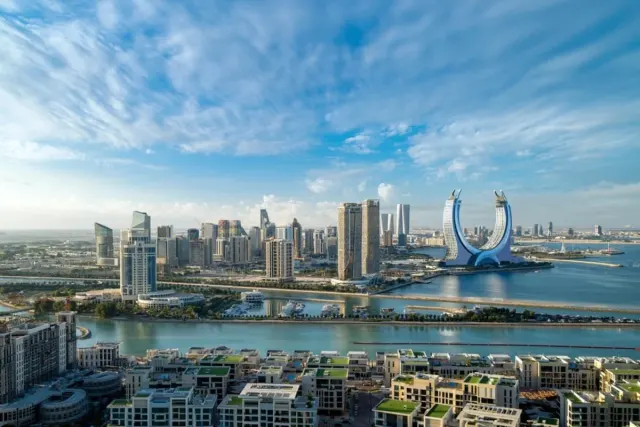
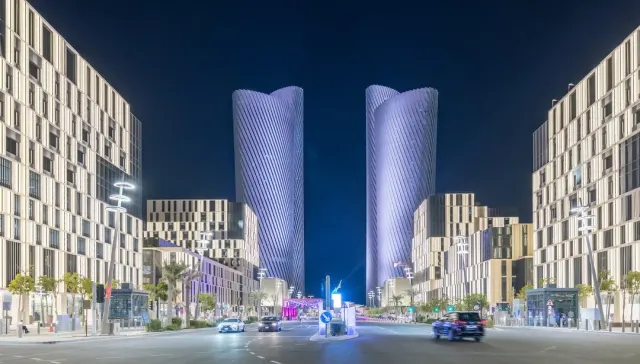
A number of landmark projects already demonstrate what sustainable living looks like in practice. Lusail City is widely recognized as Qatar’s first large‑scale smart and sustainable city, with all of its buildings required to meet a minimum GSAS rating. The city uses advanced district cooling systems to cut energy consumption, integrated water recycling solutions, and a modern tram network that connects neighborhoods while reducing reliance on private cars. For residents exploring apartments for rent in Lusail or villas for sale in Lusail, these systems can translate into lower utility bills, better comfort, and a healthier urban environment.
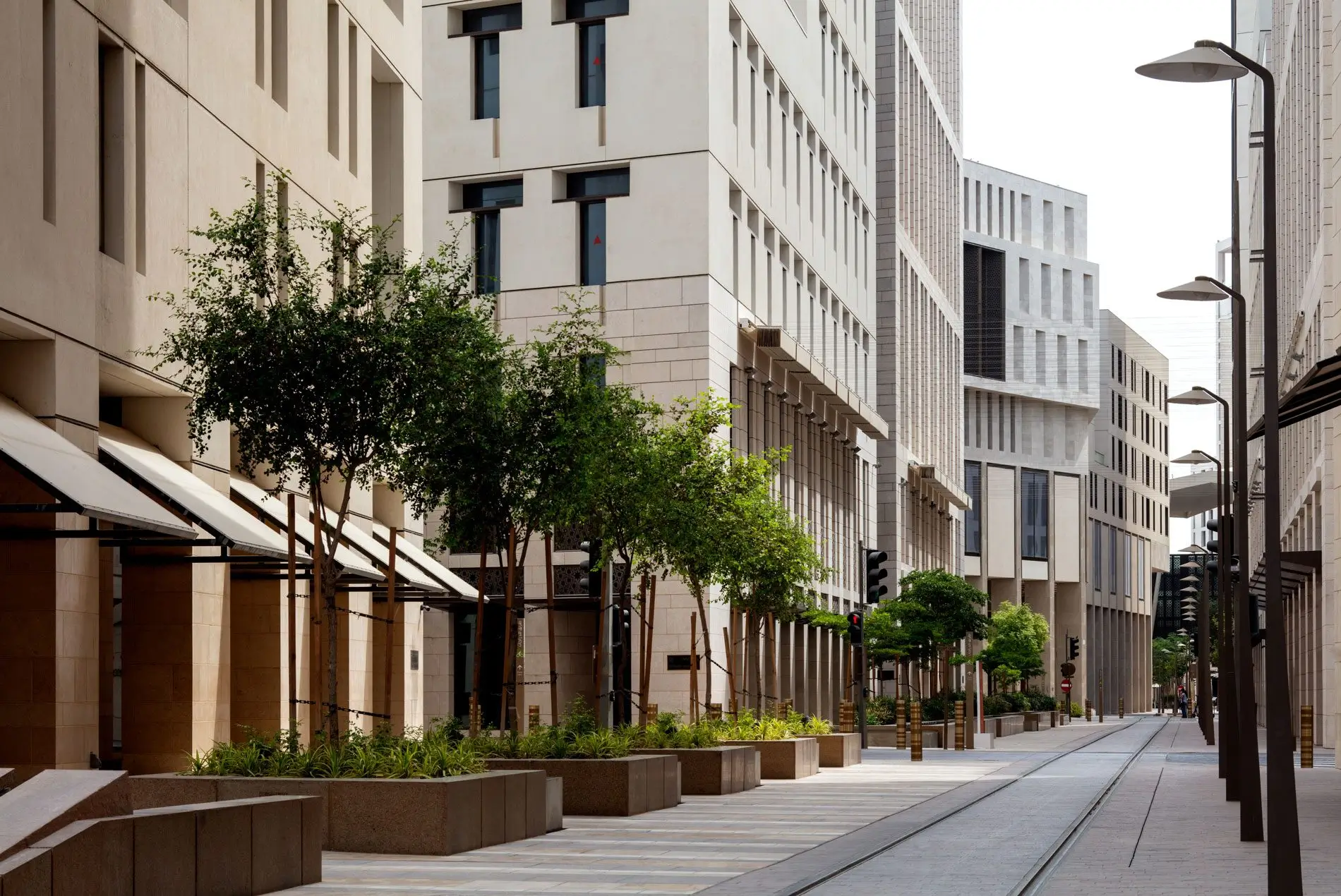
In the heart of Doha, Msheireb Downtown Doha has become a global showcase for sustainable urban regeneration. Its buildings combine traditional Qatari architecture with modern eco‑friendly technologies such as solar panels, high‑performance insulation, and energy‑efficient cooling systems, and many of them hold LEED certifications. Narrow, shaded streets and pedestrian‑friendly layouts encourage walking rather than driving, creating a more livable and climate‑resilient city district that appeals to people searching for luxury apartments in Msheireb with a sustainable lifestyle.
Waterfront destinations like The Pearl‑Qatar and newer mixed‑use districts across Doha are also integrating greener design principles, including efficient cooling, improved building envelopes, and better waste and water management. For investors comparing waterfront properties in Qatar, sustainability is increasingly a differentiating factor that can influence long‑term demand, rental yields, and occupancy rates.
.webp?alt=media&token=ffb87761-6ee0-4dfd-bb29-63099e18d093)
Practical features that define green real estate
For everyday buyers and tenants, sustainability becomes real through specific features they can see and feel in their homes and communities. Modern green developments in Qatar often include high‑efficiency air‑conditioning systems, smart thermostats, LED lighting, and well‑insulated walls and windows that reduce heat gain and cut electricity consumption in the harsh desert climate. Many projects incorporate solar photovoltaic panels or solar thermal systems to support building energy needs, helping lower dependence on conventional grid power and supporting national energy efficiency goals.
Water is another critical focus area given Qatar’s limited natural freshwater resources. Advanced water‑saving fixtures, greywater recycling systems, and efficient irrigation for landscaping are increasingly common in high‑quality residential and commercial buildings, especially in new master‑planned communities. When you browse family villas in Al Wakrah, townhouse with gardens in Doha, or sustainable apartments in Lusail on our portal, you can prioritize listings that highlight features like water‑efficient fixtures and smart irrigation as part of a broader green lifestyle.
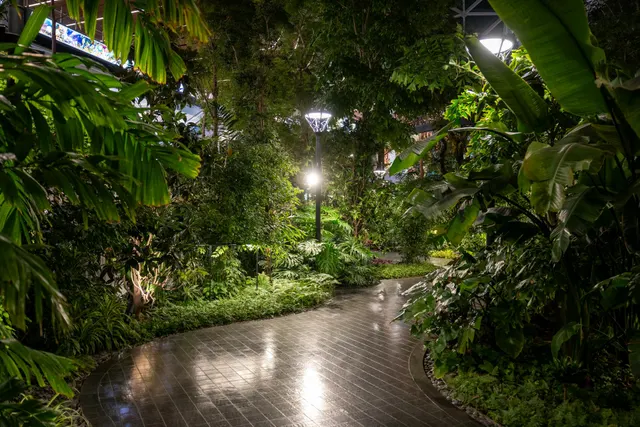
Outdoor and community design also plays a major role. Green roofs, shaded walkways, pocket parks, and car‑free or low‑traffic internal streets contribute to better air quality, more comfortable microclimates, and a more social, walkable environment. Developments that connect easily to public transport, such as the Doha Metro or Lusail Tram, provide additional environmental benefits by reducing the need for private car use. These factors are becoming key search criteria for users looking for homes near metro stations in Doha or walkable communities in Qatar that support healthier daily routines.
.webp?alt=media&token=e55ae148-43df-4c75-ad84-17df9e1d4563)
Why sustainable properties are attractive to investors
Sustainable real estate is not only better for the environment; it is also increasingly compelling from an investment perspective. Energy‑efficient buildings typically have lower operating costs, which can make them more attractive to tenants and businesses, supporting higher occupancy rates and more stable rental income. Over time, as regulations tighten and energy prices fluctuate, properties that underperform on sustainability may become more expensive to run, strengthening the relative value of greener assets.
Globally, studies have shown that certified green buildings often record lower vacancy and can command a “green premium” in terms of valuation and rental levels compared with similar non‑certified assets. In Qatar, this trend is beginning to take shape as more institutional investors, corporates, and high‑net‑worth individuals prioritize sustainability in their asset allocation strategies. For users comparing commercial offices in West Bay, eco‑friendly retail spaces in Doha, or investment apartments in Qatar, paying attention to GSAS or LEED ratings and sustainability features can be a smart long‑term decision.
.webp?alt=media&token=a2703647-ec90-4179-9d81-fa5da367b3a4)
How to use our portal to find sustainable homes in Qatar
As sustainable living becomes more important, we are continuously improving how green features are highlighted across our property listings. When you search for apartments for rent in Qatar, villas for sale in Doha, or new projects in Lusail, look for keywords like “energy‑efficient,” “GSAS certified,” “LEED certified,” “solar panels,” or “greywater recycling” in the property descriptions. These indicators help you quickly identify listings that support a greener lifestyle without requiring deep technical expertise.
You can also use filters and categories to focus on specific locations and property types that are leading Qatar’s sustainability transition. For example, exploring properties in Lusail City or sustainable communities in Al Wakrah allows you to compare neighborhoods that are designed with green infrastructure and community‑level solutions in mind. Over time, our goal is to make it even easier for you to discover and compare sustainable options, turning Qatar’s green real estate shift into practical choices for your next home or investment.
Ultimately, Qatar’s move toward sustainable living in real estate is about much more than technology or certification labels. It is about creating healthier, more resilient communities where residents enjoy lower bills, better comfort, and stronger connections to their surroundings, while investors benefit from future‑ready assets that align with the environmental goals of Qatar National Vision 2030. As more projects embrace green standards and as awareness grows among buyers and tenants, eco‑conscious properties listed on platforms like ours will play a central role in shaping the next chapter of Qatar’s urban story.
Related Resources
Frequently Asked Questions
What is sustainable living in real estate and why is it important in Qatar?
Sustainable living in real estate means designing, building, and operating homes and communities in ways that reduce environmental impact, conserve natural resources, and support long‑term quality of life. In Qatar, this includes using energy‑efficient cooling systems, smart water management, renewable energy such as solar panels, and green spaces that improve comfort and well‑being. Sustainable properties are important because they lower utility bills, reduce carbon emissions, and align with Qatar’s National Vision 2030 by creating healthier, more resilient cities for residents and investors.
What are GSAS and LEED certifications, and how do they affect my property choice in Qatar?
GSAS (Global Sustainability Assessment System) is Qatar’s own green building rating system, developed to evaluate projects on energy efficiency, water use, materials, waste management, and indoor environmental quality. LEED (Leadership in Energy and Environmental Design) is an international standard widely used in global developments, including in Qatar. When a property holds GSAS or LEED certification, it means it meets clear, measurable sustainability benchmarks, which often translate into lower energy and water costs, better indoor air quality, and higher long‑term value. For buyers and tenants browsing apartments for rent in Doha or villas for sale in Qatar, these labels help identify projects that are more efficient and future‑ready.
Which areas in Qatar are leading in sustainable real estate?
Among the most advanced areas for sustainable real estate in Qatar are Lusail City, Msheireb Downtown Doha, The Pearl‑Qatar, and emerging communities in Al Wakrah and parts of West Bay. Lusail is designed as a smart, low‑carbon city with GSAS‑mandated buildings, district cooling, and integrated public transport, while Msheireb combines traditional urban patterns with modern green‑building technologies. The Pearl‑Qatar and other mixed‑use developments are increasingly adopting energy‑efficient systems and water‑saving strategies, and new compounds in Al Wakrah aim to balance family living with environmental responsibility. These locations are becoming first‑choice destinations for buyers and tenants who want sustainable apartments in Qatar or eco‑friendly villas for sale.
Are green buildings more expensive to buy or rent in Qatar?
Initially, some green buildings may appear more expensive to buy or rent because they use higher‑specification materials, smart systems, and advanced energy or water technologies. However, over time, tenants and owners often save money through lower utility bills, reduced maintenance costs, and less frequent system breakdowns, especially in Qatar’s hot climate. In addition, as sustainability standards become the norm, the price gap between green and conventional buildings is likely to narrow, while demand for eco‑friendly properties grows. For users searching premium apartments in Doha or investment properties in Qatar, the extra cost at entry can be offset by long‑term savings and stronger asset value.
Can sustainable homes still be luxurious and modern?
Yes. Sustainable homes in Qatar are increasingly designed to be both luxurious and high‑tech while remaining eco‑conscious. Developers are combining elegant finishes, premium materials, and smart home automation with energy‑efficient appliances, solar panels, and advanced cooling systems, so residents enjoy comfort and style without sacrificing environmental responsibility. Many luxury villas and apartments in Msheireb, Lusail, and other premium locations deliberately integrate green roofs, shaded courtyards, and smart lighting to blend sustainability with a high‑end lifestyle. For users searching luxury apartments in Qatar or modern villas for sale, sustainable options can offer the best of both worlds.
Do sustainable buildings in Qatar still perform well in extreme heat?
Yes. Sustainable buildings in Qatar are specifically designed to perform well in extreme heat by using advanced insulation, high‑performance windows, and efficient cooling systems that reduce energy demand while maintaining indoor comfort. Many projects incorporate shaded façades, overhangs, and smart orientation to minimize solar gain, and they often combine district cooling with high‑efficiency equipment to lower both temperatures and costs. As a result, residents of energy‑efficient apartments in Doha or eco‑friendly villas in Lusail typically experience cooler interiors and more stable indoor climates, even during Qatar’s hottest months.
How does sustainable living in real estate support Qatar National Vision 2030?
Sustainable living in real estate supports Qatar National Vision 2030 by reducing environmental degradation, improving resource efficiency, and creating healthier, more liveable cities. When developers build green, energy‑efficient communities in Doha, Lusail, Al Wakrah, and other areas, they help lower carbon emissions and water consumption, which aligns with the environmental pillar of the Vision. On the social side, sustainable communities often feature walkable streets, green spaces, and better connectivity, which improve residents’ quality of life and productivity. Economically, green real estate attracts long‑term investment, supports job creation in green technologies, and positions Qatar as a forward‑thinking hub for sustainable urban development in the Gulf region.
Can I rent an eco‑friendly apartment or villa in Qatar, or is sustainable living only for buyers?
You can absolutely rent eco‑friendly apartments and villas in Qatar; sustainable living is not limited to buyers. Many new and existing projects in Lusail, Doha, The Pearl‑Qatar, and Al Wakrah offer sustainable apartments for rent or eco‑friendly villas for rent that feature energy‑efficient systems, smart meters, water‑saving fittings, and green common areas. Renting a green home can lower your monthly utility costs and reduce your environmental footprint without requiring a long‑term purchase commitment.