Why Buying Property in Installments in Qatar Is a Smarter Financial Choice Than Renting
A strategic financial comparison between long-term renting and property ownership in Qatar’s evolving real estate market.
For many residents in Qatar, the housing decision has long revolved around a central question: should I continue renting for flexibility and convenience, or commit to ownership with its long-term financial responsibility? For years, property ownership was widely perceived as an option reserved for high-net-worth individuals with substantial liquidity.
However, recent transformations in Qatar’s real estate market — including more accessible financing tools, flexible developer payment plans, and clearer freehold ownership regulations — have fundamentally reshaped that perception.
Today, owning property is no longer exclusive to major investors. It has become a realistic and strategic option for residents with stable income who are seeking long-term financial security and asset growth.

Renting: Short-Term Comfort, Long-Term Financial Drain
From a purely financial perspective, rent is a recurring consumption expense. You pay for the right to occupy a property for a fixed period, and at the end of the lease, no equity is built and no asset is created.
In prime locations such as The Pearl and Lusail, monthly rents for mid- to high-end apartments typically range between QAR 10,000 and QAR 15,000.
Assuming an average of QAR 12,000 per month, that equals QAR 144,000 per year. Over ten years, the total exceeds QAR 1.4 million. This figure does not represent investment or wealth creation — it reflects a temporary housing cost with no cumulative return.
Beyond the numbers lies another critical factor: uncertainty. Tenants remain exposed to rent increases, non-renewals, or relocation requirements. This ongoing unpredictability adds financial pressure and limits long-term planning stability.
Installment-Based Ownership: Turning Monthly Payments Into Equity
Ownership operates on a fundamentally different principle. A monthly mortgage or installment payment is not a pure expense — it is a gradual transfer of income into tangible equity. Each payment increases your stake in a physical asset that can appreciate, generate rental income, or be sold in the future.
Consider purchasing an apartment valued at QAR 1.8 million with a 20% down payment and a ten-year financing structure. In many cases, the resulting monthly installment may be comparable — or only slightly higher — than rental costs in premium areas.
The critical difference becomes evident at the end of the payment term. While rent leaves you with no asset after a decade, installment payments result in full ownership of a property that holds market value and potential appreciation.
The core question is not the size of the monthly payment — it is its nature:
Is it a disappearing expense, or a structured path toward asset accumulation?

Qatar’s Real Estate Market: A Supportive Ownership Environment
Qatar’s property market has seen sustained development activity, particularly in modern master-planned communities such as Lusail and The Pearl. Buyers today can choose between ready-to-move-in properties and off-plan developments offering extended payment schedules.
Flexible installment plans from developers, combined with mortgage solutions offered by major institutions such as Qatar National Bank, have significantly lowered entry barriers for property ownership.
Additionally, designated freehold zones provide further incentives for long-term investors and residents seeking stability, whether from a financial or legal standpoint.
The Psychological and Social Value of Ownership
Beyond financial modeling, ownership carries psychological and lifestyle benefits that are often underestimated. Residential stability directly impacts quality of life and long-term family planning.
Homeowners enjoy freedom to customize, renovate, and adapt their living spaces without restrictions. More importantly, ownership creates a stronger sense of permanence and security.
A real estate asset also serves as a financial safeguard — a store of value that can be leveraged during economic fluctuations or life transitions.
Real Barriers — and Practical Solutions
The most common obstacles to ownership are the down payment requirement and concerns over interest rates. Yet, the market currently offers practical pathways to overcome both.
Off-plan developments sometimes allow reduced initial payments combined with extended installment structures, easing the upfront burden. On the financing side, careful comparison of mortgage offers, negotiation of terms, and selection of suitable tenures can significantly optimize borrowing costs.
The challenge is not the absence of options — it is the importance of evaluating them strategically and professionally.
A Practical Example
Let us consider the case of a long-term tenant in Doha.
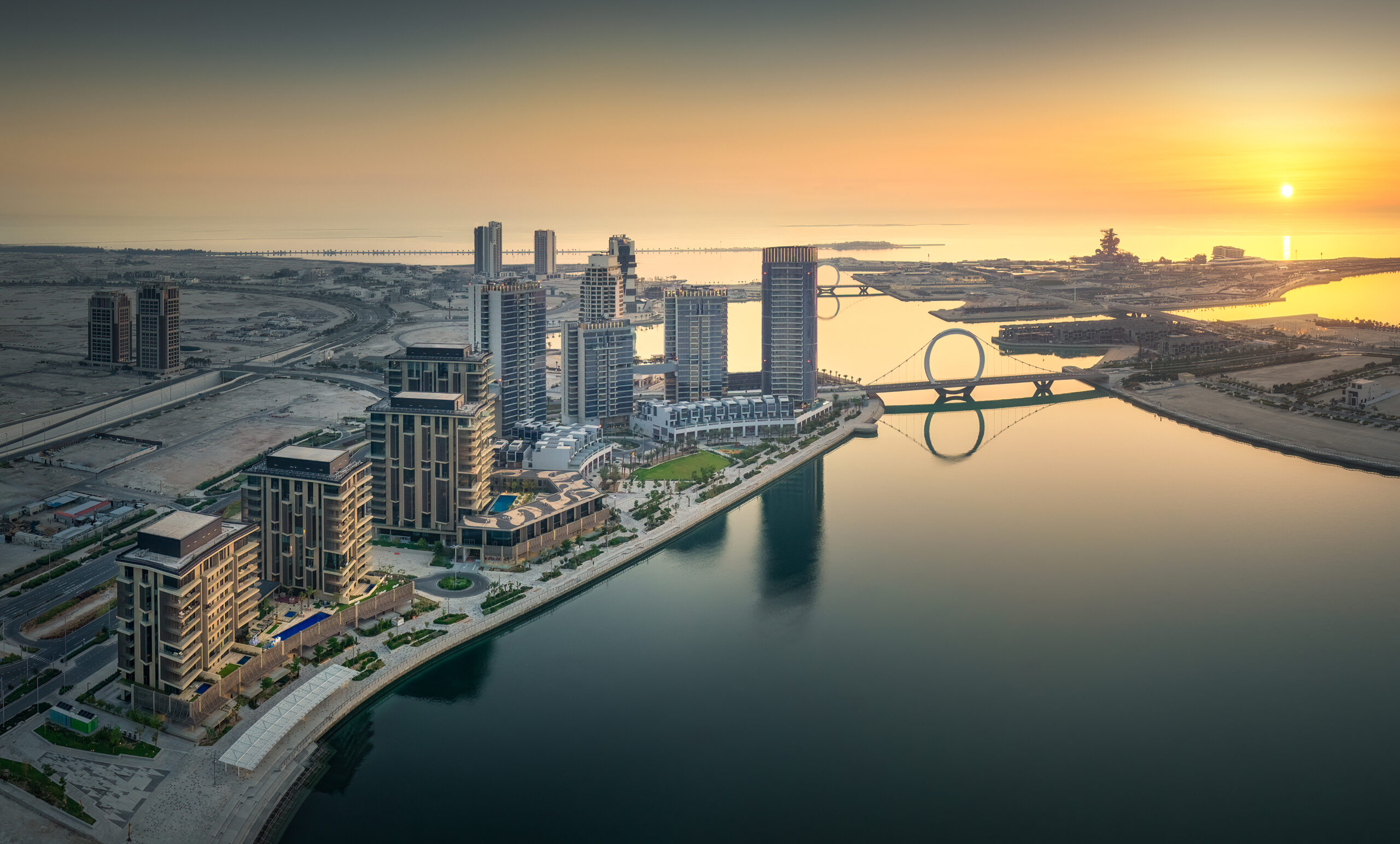
After years of consistently paying rent, this resident reviewed the total amount spent and realized it had surpassed one million Qatari riyals without generating any ownership stake. After reassessing financial priorities, the tenant allocated savings toward a down payment and entered an installment plan for a property in Lusail.
The monthly obligation increased slightly compared to previous rent, but the nature of the payment changed entirely. Instead of funding a landlord’s asset, each installment contributed toward full ownership within a defined timeframe.
The transformation was not in income level — it was in financial direction.
Conclusion: A Strategic Financial Decision, Not an Emotional One
Continuing to rent may feel easier in the short term. It offers flexibility and lower upfront commitment. However, over the medium and long term, it is not always the most efficient financial strategy.
When approached with proper financial assessment and market awareness, property ownership represents a shift from consumption to asset building. Qatar’s evolving financing structures and developer payment models have made that shift attainable for a broader segment of residents.
Ultimately, the decision is not about buying a home emotionally. It is about managing income strategically and building long-term wealth.
Over time, the difference between renting and owning becomes increasingly clear — not only in housing status, but in financial stability and asset accumulation.