Real Estate Investment in Qatar: Capitalizing on the March 2026 Geopolitical Climate
The Passing Cloud Paradigm and Smart Money Accumulation
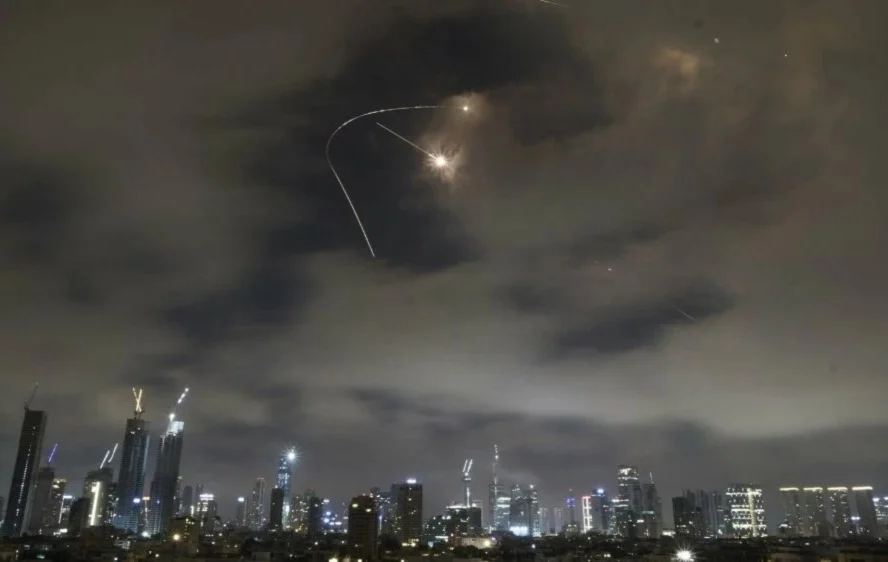
The geopolitical landscape of the Middle East in March 2026 presents a textbook macroeconomic dislocation, characterized by a severe divergence between perceived regional risk and actual structural stability within isolated safe havens. As regional conflicts escalate—marked by retaliatory strikes, disruptions in the Strait of Hormuz, and heightened volatility across global equities and energy markets, superficial market sentiment often dictates capital flight. However, empirical financial history and advanced market analytics demonstrate that times of peak geopolitical crisis act as the ultimate catalyst for wealth generation among institutional and sophisticated private investors. The current regional instability is, from an economic standpoint, a passing cloud. For the astutely positioned investor, this temporary volatility represents an unparalleled accumulation window, particularly within the Qatari real estate sector, which remains insulated by massive sovereign wealth buffers, impregnable defense architectures, and diplomatic indispensability.
Strategic Real Estate Investment in Qatar: Capitalizing on the Geopolitical Climate of March 2026
The golden rule of investing states that “smart investors buy during times of crisis.” In such periods, tangible, income-generating assets in highly regulated and secure jurisdictions serve as the most effective hedge against inflationary shocks and supply chain disruptions. While speculative capital retreats under pressure and uncertainty, strategic investors recognize that Qatar’s real estate market—currently undergoing a localized price correction following post-World Cup oversupply—is undervalued relative to its long-term economic trajectory.
Investing in Qatar property today allows investors to lock in historically favorable valuations at a time when the country is embarking on the largest expansion of liquefied natural gas (LNG) production in its history. The convergence of absolute physical security, prudent macroeconomic policy, and highly attractive residency-by-investment regulations positions Qatar not merely as a regional safe haven, but as a leading global destination for real estate investment in 2026.
The Qatari Businessmen Association has explicitly reaffirmed the resilience of the national economy and the uninterrupted continuity of private sector activity. It emphasized that foreign companies and international business councils continue to choose Qatar as a primary destination amid the ongoing regional crisis—highlighting the stark contrast between regional panic and Qatar’s operational stability.
Macroeconomic Foundation: Sovereign Buffers and LNG Expansion
The core investment thesis for real estate acquisition in Qatar during the March 2026 crisis is anchored in the country’s exceptional macroeconomic resilience. Global credit rating agency Standard & Poor’s (S&P) has recently reaffirmed Qatar’s long- and short-term sovereign credit ratings at ‘AA/A-1+’, maintaining a stable outlook despite ongoing regional conflict. This rating serves as strong evidence of the الدولة’s capacity to absorb external shocks.
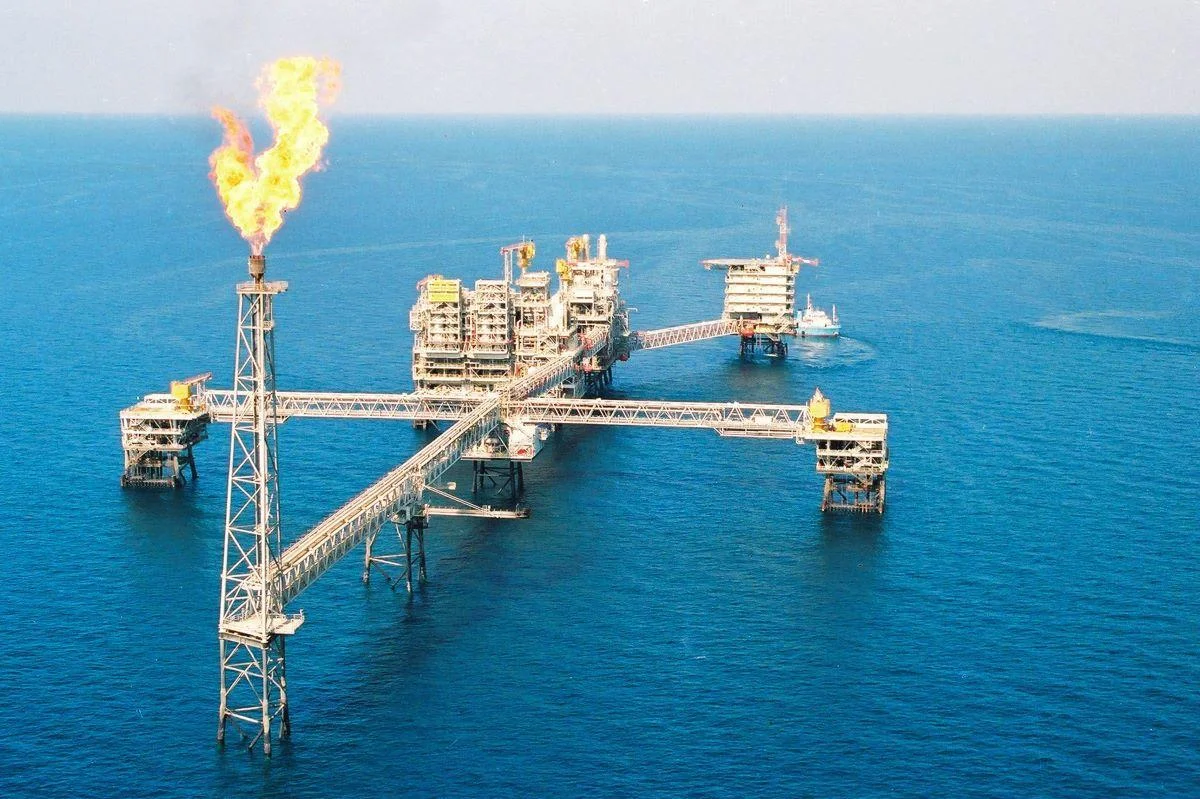
S&P highlights that Qatar’s substantial fiscal and external buffers provide sufficient financial flexibility to offset adverse geopolitical developments, including temporary disruptions to LNG production or export routes.
Qatar’s economic strength is underpinned by consolidated government net assets estimated at approximately 135% of GDP in 2026. These liquid assets—distributed across fiscal stabilization funds, the Qatar Central Bank, and the Qatar Investment Authority (QIA), which manages between $557 billion and $900 billion in assets—ensure that domestic infrastructure spending and real estate market stabilization mechanisms remain fully funded regardless of external volatility. Furthermore, Qatar’s government debt is projected to decline to approximately 33% by 2029 due to disciplined repayment strategies, freeing additional capital for domestic investment. The Qatari riyal remains firmly pegged to the US dollar at 3.64, supported by foreign reserves covering more than 50 months of imports, effectively eliminating currency depreciation risk for foreign property investors.

Fortress Qatar: Defense Infrastructure and Diplomatic Strategy
As real estate investments are inherently tied to physical location, security becomes the primary consideration during times of geopolitical instability. While regional tensions have triggered capital flight—particularly among Asian investors affected by airspace closures, the Qatari defense and security framework presents a fundamentally different picture. From a security standpoint, Qatar remains one of the most stable environments in the region. In addition to its advanced defence infrastructure, the country employs a balanced diplomatic strategy that has successfully mitigated regional risks. This dual approach significantly enhances Qatar’s position as a safe haven for capital, particularly during periods of geopolitical uncertainty.
Historical Precedent: Recovery from the 2017 Crisis
To properly contextualize the current market opportunity, investors must examine historical precedent, specifically the 2017 blockade crisis. When Qatar faced sudden air, land, and sea restrictions, immediate market reactions included panic and a 14% decline in real estate prices between 2017 and 2018.
However, the government’s response was swift and decisive. Liquidity was injected into the system, supply chains were restructured, and the “Foreign Property Ownership Law” was introduced, triggering a substantial inflow of international capital. By 2018, Qatar had already returned to a fiscal surplus of 2.8%, and the real estate market began a strong recovery trajectory that culminated in the successful hosting of the 2022 FIFA World Cup The 2017 crisis demonstrated Qatar’s financial strength and regulatory agility in protecting its real estate sector during severe geopolitical shocks. The March 2026 situation reflects a similar cycle: initial market hesitation creates artificial pricing inefficiencies, offering strategic investors an entry point comparable to the highly profitable accumulation phase of 2017–2018.
Capital Reallocation and Qatar’s Strategic Advantage
In times of regional instability, capital does not disappear—it relocates toward safer, more transparent markets. Qatar stands out as a logical destination due to its clear legal framework, centralized property registration system, and strong institutional backing. These factors reinforce investor confidence and drive capital flows away from high-risk markets toward premium, regulated real estate assets in Doha. The market’s attractiveness is further enhanced by an advanced regulatory framework linking real estate investment to residency. Qatar offers flexible and permanent residency options tied to property ownership, transforming real estate investment into a comprehensive wealth management and lifestyle strategy.
Conclusion: A Rare Strategic Entry Point
In conclusion, Qatar’s real estate market in 2026 represents a rare investment opportunity that combines attractive valuations, strong economic growth driven by the energy sector, and a secure, stable environment. Coupled with competitive rental yields and investor-friendly residency programs, these factors collectively position the current market phase as a strategic entry point for investors seeking long-term stability and returns in one of the world’s most resilient economies.